Vowel sound
The I sound: how to teach it to your child
Everything you need to practise the I sound with your child at home: how the mouth actually makes it, the age most children get there, the mistakes that are normal along the way, and 81 practice words grouped from easiest to hardest. Free, no sign-up.
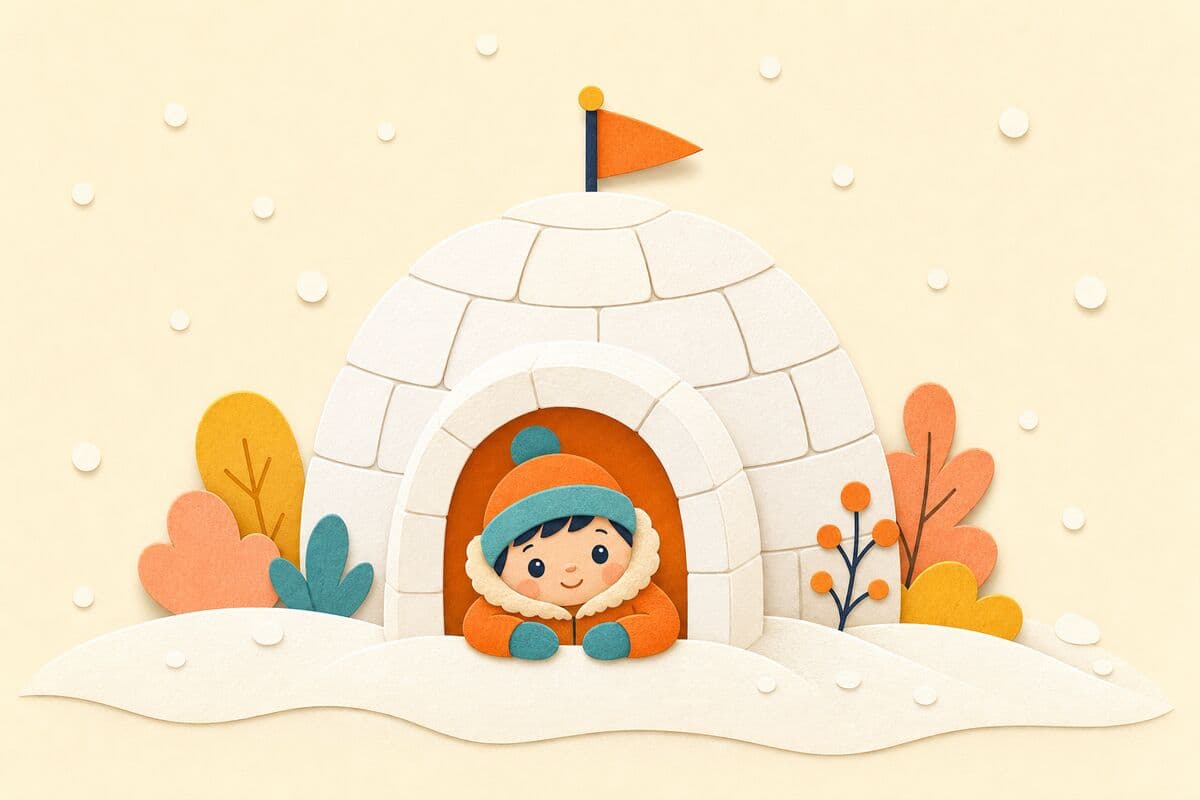
- Written
- /ɪ/
- Sound type
- vowel, voiced
- Usually mastered
- Age 1–3
- Kids call it
- the igloo sound
- Practice items here
- 81 words · 20 phrases · 20 sentences
Hear it first
This is the same “Teach Me” clip the app plays before practice. Listen together, then copy it a few times before touching any words.
How the mouth makes the I sound
Open your mouth just a tiny bit and smile. Use a short voice: i as in igloo.
- Tongue: High and forward, relaxed
- Lips: Slightly spread, almost closed
- Air: Short voiced sound
- Voice: On. Put a hand on the throat and you should feel it buzz.
What usually goes wrong
These are patterns, not carelessness. Recognising which one your child is doing makes the practice far more targeted.
- Stretching it into a long "ee" so "sit" becomes "seat".
- Merging with short E.
Three things that help
- Short and quick, mouth barely open, small smile. The trick is keeping it short.
- Say sit/seat and ship/sheep back to back so the length difference is obvious.
- Tap the table once for the short vowel and hold your hand out for the long one.
81 I words for kids to practise
Every word here starts with the I sound, which is where a new sound should begin. Once it is reliable at the start of a word, the phrases and sentences below put it in the middle and at the end too.
Start here: short words
One-syllable words. Easiest to get right, so this is where a new sound should begin.
- ink
- inch
- itch
- ice
- inn
Next: two-syllable words
Once the short words are reliable, longer words keep the sound accurate under more load.
- igloo
- insect
- infant
- inside
- invite
- inbox
- inchworm
- invent
- itchy
- icky
- inning
- inspect
- iceberg
- ice-cream
- icy
- iris
- iron
- island
- ivy
- indoors
- inflate
- ignore
- item
- image
- index
- icon
- instant
- insist
- improve
- include
- inky
- ice-cold
- ibis
- ibex
- ice-skate
- indoor
- inhale
Challenge: longer words
Three syllables and up. Save these for when the sound is solid everywhere else.
- iguana
- instrument
- important
- impossible
- incredible
- infinity
- ingredient
- interesting
- internet
- invisible
- invitation
- imagine
- indigo
- imitate
- icicle
- idea
- inventor
- investigate
- interrupt
- inside-out
- itsy-bitsy
- itty-bitty
- iguanodon
- intelligent
- introduce
- invention
- imagination
- imaginary
- impala
- information
- inspector
- intersection
- illustrator
- impatient
- inflatable
- incisor
- infinite
- incubator
- illustration
I phrases
The step between single words and real talking. Say the phrase together first, then let your child do it alone.
- An insect in the igloo
- Ink on the instrument
- The infant's iguana
- Invite them inside
- An inch of ink
- Itchy insect
- Icky ink
- Incredible igloo
- Invisible ink
- Invisible iguana
- Important invitation
- Itty-bitty inchworm
- Icy igloo
- Interesting insect
- Incredible inventor
- Itchy inchworm
- Impossible itch
- Indigo ink
- Inspect it
- Imagine igloos
I sentences
The last step before everyday conversation. Each sentence packs the I sound in several times, so one sentence is worth several words.
- The iguana lives inside the igloo.
- An insect sat on the instrument.
- The infant spilled ink on the invite.
- Izzy has an itch on her finger.
- The inchworm inched inside the igloo.
- The insect is itchy today.
- An iguana naps in the igloo.
- Invite the inventor inside now.
- The little inchworm is itty-bitty.
- Icicles hang on the igloo.
- The infant giggles at insects.
- Imagine an island of ice.
- The invisible ink disappeared fast.
- An intelligent iguana inspects insects.
- The invitation is very important.
- Inflate the ball inch by inch.
- The icky bug made me itch.
- Ink spilled inside the inbox.
- The iguana itches its back.
- An inchworm inches up inside.
Three games for the I sound
Practice that does not feel like practice. A child will do fifty repetitions inside a game and refuse ten on a worksheet.
Sit and stand
Sit on "sit", stand on "seat".
Igloo build
Stack blocks; each block gets an I word.
Ship or sheep
Classic contrast pair, taking turns to guess.
When to ask a professional about your child
Most children have the I sound by around age 3. If your child is past that and it has not appeared, if people outside the family regularly cannot understand them, or if they are starting to avoid talking, book an appointment with a speech-language pathologist. One session will tell you whether this needs treatment or just time.
Help Me Talk is a practice app, not a diagnosis or a replacement for a licensed speech-language pathologist. If you are worried about your child’s speech, talk to your doctor or an SLP. This app is for the practice in between.
Age ranges follow the Iowa–Nebraska articulation norms (Smit, Hand, Bird & Bernthal), the same norms the app uses to suggest sounds by age.
I sound questions
- At what age should a child say the I sound?
- Most children have the I sound somewhere between one and three years old. It is one of the earlier sounds, so if your child is past three and still missing it, it is worth mentioning at their next check-up. Age ranges follow the Iowa–Nebraska articulation norms (Smit, Hand, Bird & Bernthal), the same norms the app uses to suggest sounds by age.
- Why does my child say I wrong?
- The most common pattern is stretching it into a long "ee" so "sit" becomes "seat". Merging with short E. These are patterns, not laziness. The mouth is doing something consistent, just not the thing English needs. Once you know which pattern it is, the practice becomes much more targeted.
- How do I teach my child the I sound at home?
- Open your mouth just a tiny bit and smile. Use a short voice: i as in igloo. Start with the sound on its own, then short words, then phrases, then sentences, in that order. Short and quick, mouth barely open, small smile. The trick is keeping it short.
- How many words should my child practise in one go?
- Ten to fifteen words is plenty. Five to ten minutes a day beats a long session once a week, and stopping while your child is still enjoying it is what makes them willing to do it again tomorrow. This page has 81 I words, so you can use a different handful every day for weeks.
- When should I see a speech therapist about the I sound?
- If your child is older than three and the I sound is still not there, if strangers regularly cannot understand them, or if your child is getting frustrated or avoiding talking, those are the moments to ask. A speech-language pathologist can tell you in one appointment whether it needs treatment or just time. This app is practice, not a diagnosis.